History 4 lesson 125

Gottfried Leibiz 

Gottfried Leibiz was born the son of a professor,he started college at 15 and published his first book when he was 19. By the time he was 20 he had 4 degrees and a law license,he went to work for the German government. Leibniz accessed scientific inspiration in France. The Leibniz was crucial for mechanical calculus. He invented calculus notation. He philosophized about symoliclogic, Leibniz was also a practical inventor. Leibniz gained reputation through government work. He demonstrated the mechanical calculator to the Royal Society in 1673. He visited England and met with Newton in 1676. Leibniz developed the first German scientific journal that popularized his ideas and others. The calculus controversy was started by Leibniz’s journal.

The Piano

Bart Cristofori invented the piano, he was a talented Italian musician and inventor. He went to work for the Medicis in Florence,Italy managing and creating. He finished his first piano in 1700, Its name comes from its Italian description:”che fail piano, eil forte”. The piano is a stringed instrument that uses keys to trigger a hammer. They are complicated devices that use simple machines to amplify your finger force. It is musically versatile: classic,jazz,rock, and so on. The piano teaches great music education. The musical spectrum is visualized on the keyboard. Cristonfori began selling his piano as medical weath declined and his blueprints were published and widely read in a journal. The design was improved as a result of Bach’s critical comments. Mozart then wrote successful piano music. 

The Thermometer 

The Greeks figured out that materials expand and contract. Galileo invented the thermoscope in 1593. They were applied practically. But they were sensitive to air pressure as temperature. The medicis devised an alcohol thermometer. The early thermometers had no standardized scales. Daniel Fahrenheit was born in 1686 and lived in the Dutch Republic. After his parents died, he became a merchant’s apprentice. He quit his job and took out a loan tomake his own thermometers. While was an outlaw he traveled and interacted with other scientists. Thermometers are sealed off from the environment, thermometers measure temperature. Their scale is based around the boiling and melting points of water. Thermometers offer practical benefits like weather forecasting and cooking. They are critical in industrial and power production prosesses. Fahrenheit saw that the Italian thermometers didn’t have standard scales, he decided we should base a scale on material properties. He published his temperature scale in 1724. He produced thermometers that both indicated the same temperature, his scale became the most popular in the world.

The seismometer

The chinese invented the seismometer in 132 AD. It took 1600 years for the idea to take root again this time in Europe. The pendulum was an object of growing interest by 1700 AD. Italian Nicholas Cirillo invented a seismometer that used a pendulum in 1731. Seismometers measure earthquakes. A spring-weight system detects surface motion. Modern seismometers incorporate electronics to improve sensitivity. Seismometers can prevent death due to tsunamis. They can also be used to predict volcanic eruptions. A series of earthquakes in Italy in the 1780s drove interest. They were disastrous to the economy. Salsano built a pendulum seismometer in 1783 to measure them. The most powerful earthquakes in American history struk in 1611-1812. Daniel Drake detected them using a seismometer modeled after Salsanos.               

Science 5 lesson 129

The type of photography I enjoy, the coolest photograph I can take, and how would I make my photographs interesting and unique.  

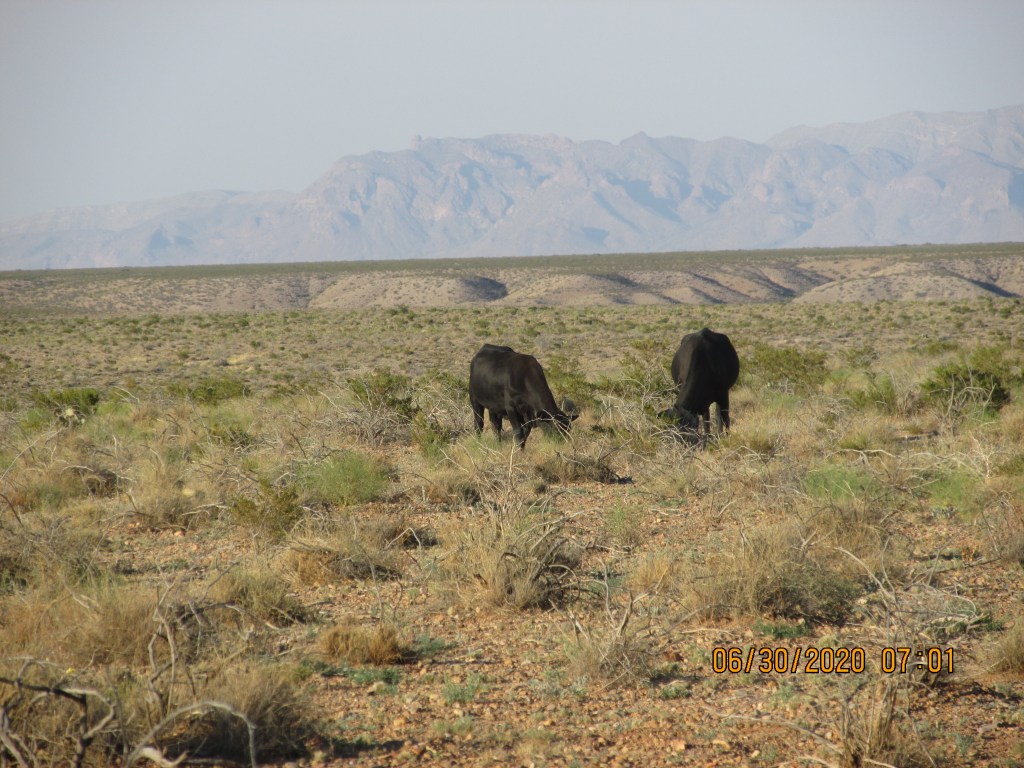
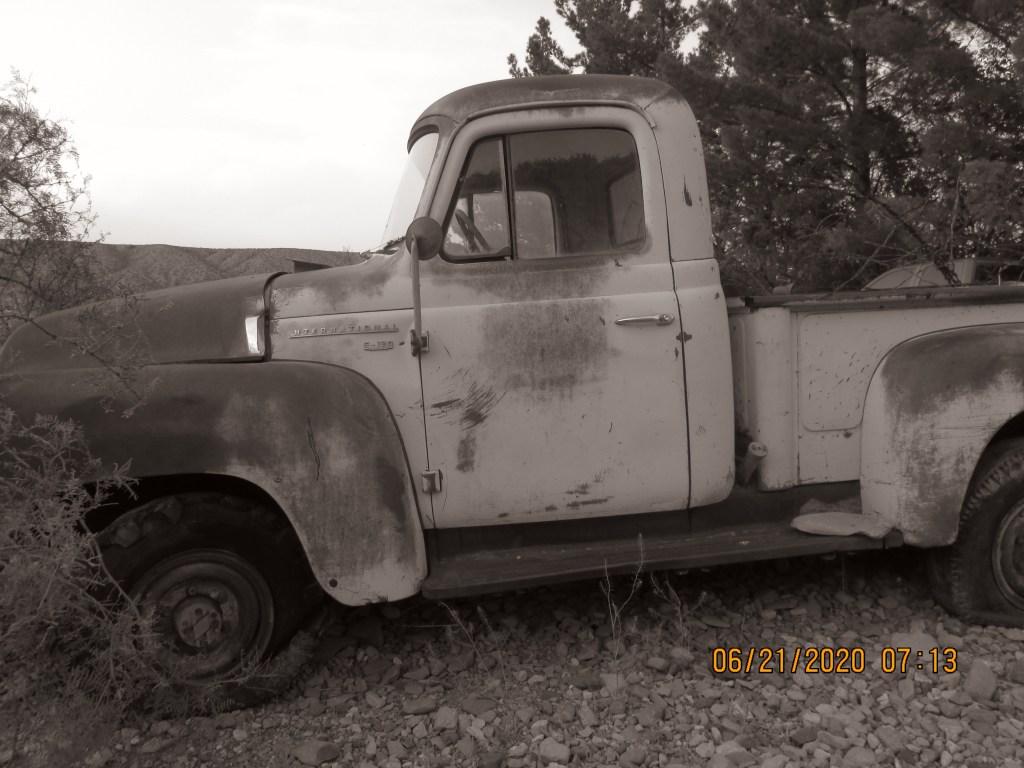
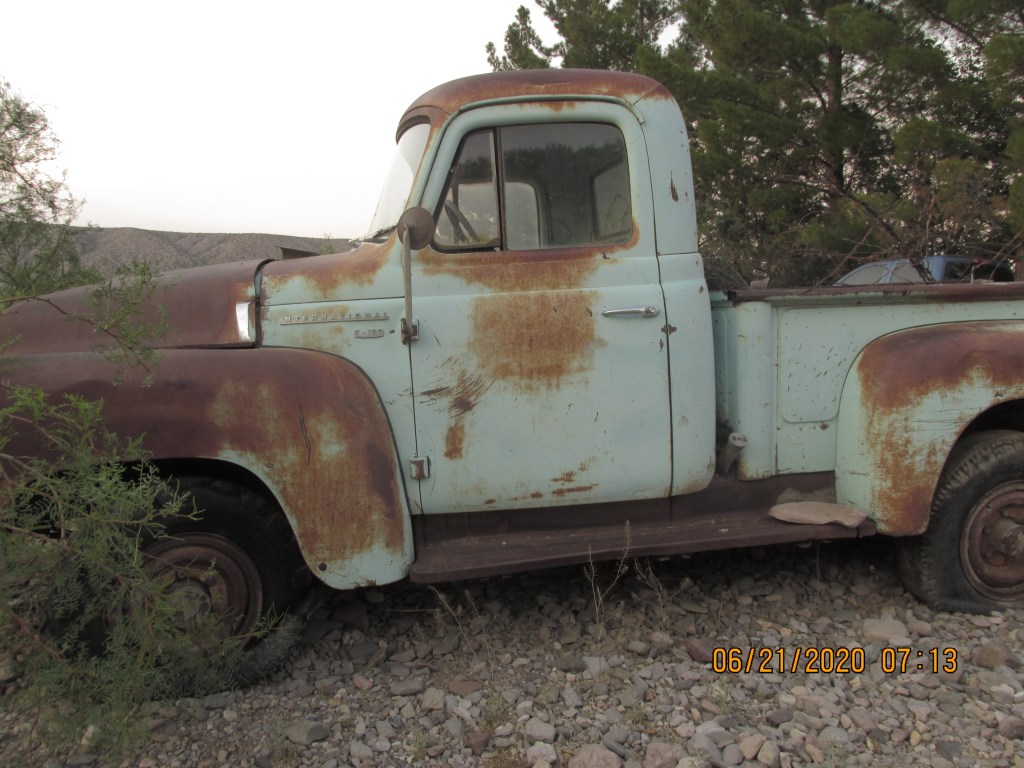
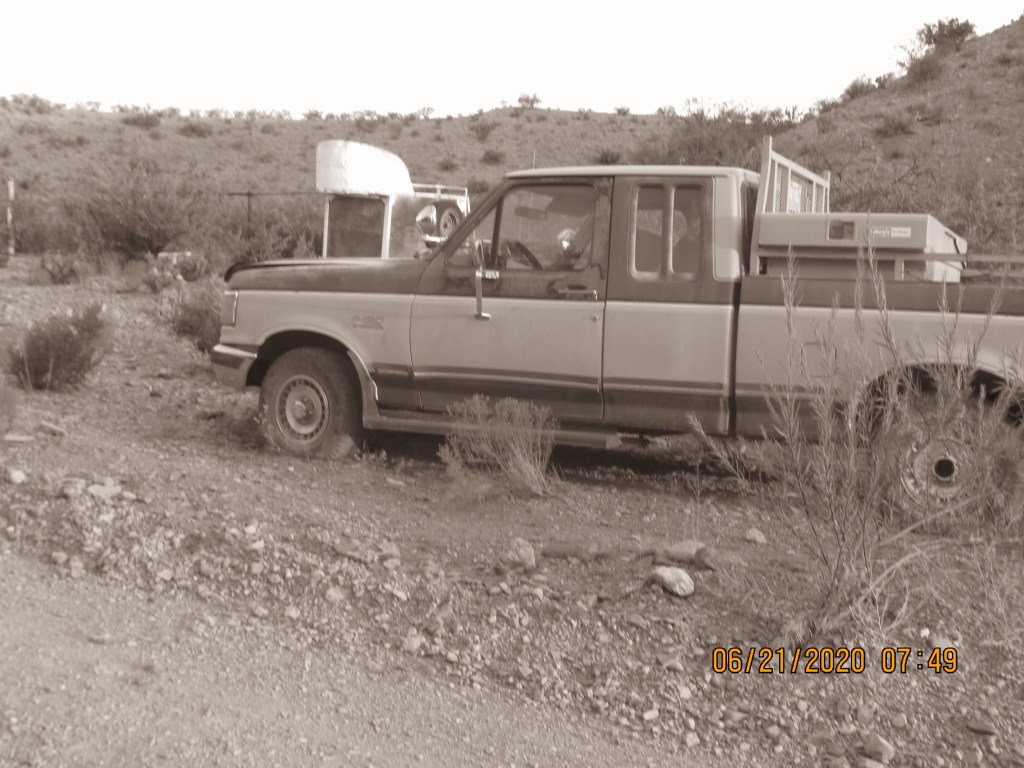
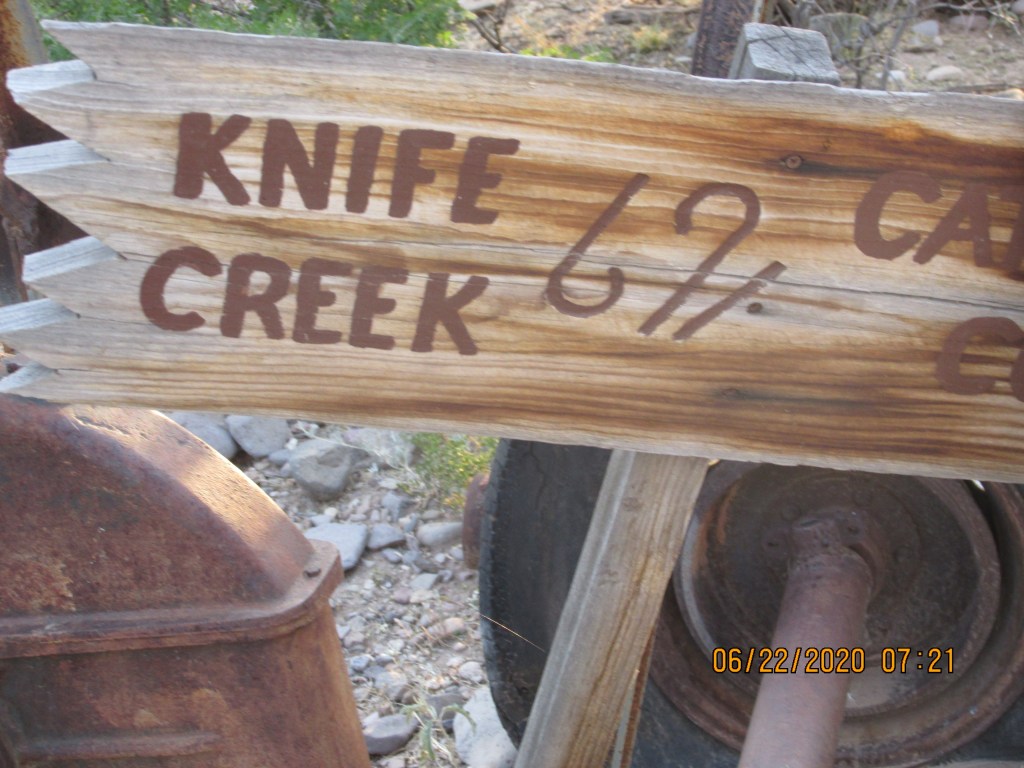
The type of photography I enjoy is well…… I like to take pictures of ranches and old truck basically kind of like junkyard trucks and just old vintage stuff but not like a thrift store stuff just old trucks maybe of the trucks are on a ranch something like that and then animals on a ranch maybe they are next to a fence post and the fence is barbed wire I just love to take pics of barbed wire that and sunsets. 
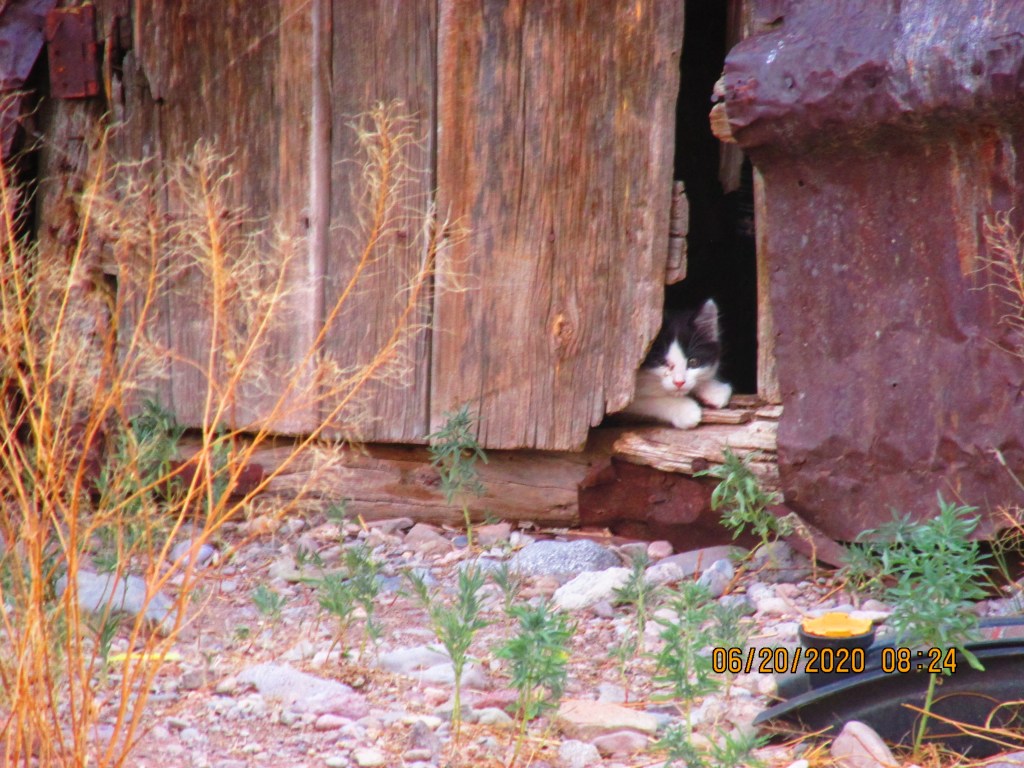
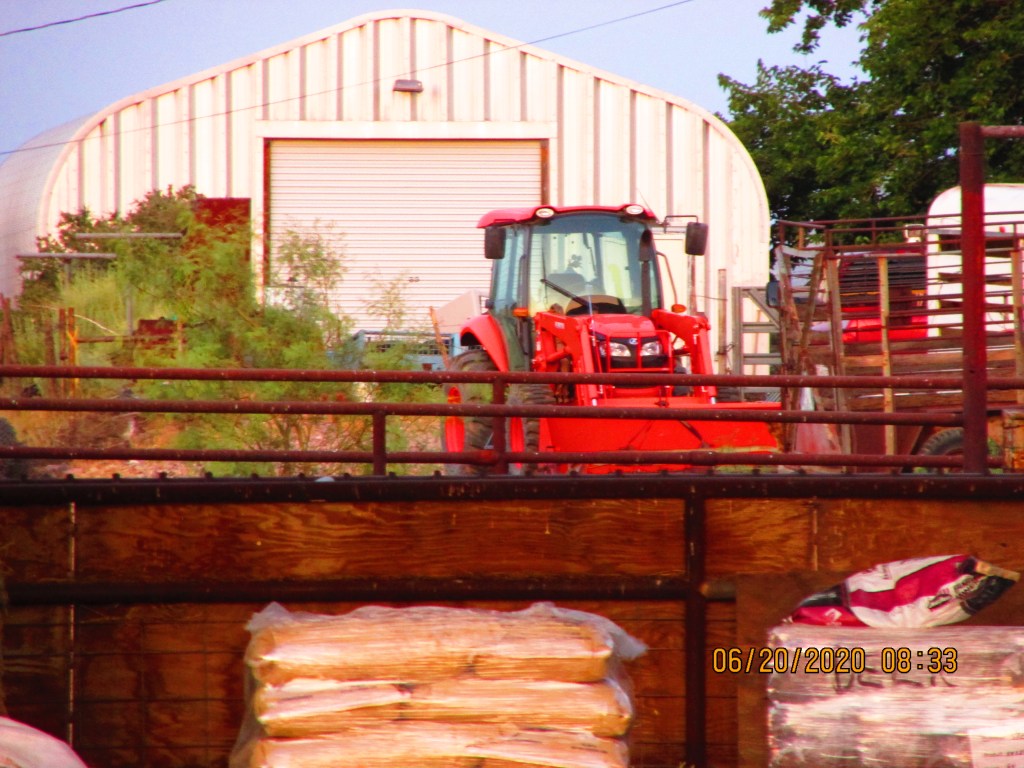
So now for the coolest photograph I could take would be now this one is kind of hard because there are so many but if I had to choose I would love to go to our old ranch that we sold. And take pics of all of the old trucks and the barn, the bunk house, the regular house and see all of the pens there just one more time. Because from what I heard about it the owner now upgraded some of the pens and stuff I could be wrong but I really wish I could go back there before they upgraded it and take some of those pics. And then go to The Truck Graveyard at least that’s what I call it. When we would to take out the trash we would take it to a pit and burn it but in order to get there you had to go past all these broke down, (some where rusted) trucks there was just a bunch of them I loved to play there that and I loved to play or just hang out at this old barn behind our house. 

So for the part of how I can make photographs interesting and unique I am not sure what I could do to make my pictures unique and interesting. I am guessing that mine are interesting and unique because (now this is just a guess) of what I take pics of animals, cattle on the ranch, old trucks and barns. Now again this is just a guess because I am not  sure how to make them interesting and unique.                 

History 4 lesson 120

Christian Huygens 

Christain Huygens was born in 1629 in the Duch Republic. His father was friends with Mersenne and Descartes. Huygens received a scientific education, he studied under great philosophers and received praise. 

He published his first book when he was 22 years old. Hugens discovered the rings of saturn in 1655. He invented the pendulum clock in 1650, he discovered the mathematical formula for centripetal force. He proposed the theory of light in 1678, he invented the magic lantern in 1659. His work ethic was motivated by his protestant upbringing, Heygens corresponded with mersenne and Descartes. He was well received in Paris in 1655 because of his family reputation. His family name opened doors early on, he was also friendly and likeable. Huygens became a founding member of the French Academy of sciences. 

Calculus

Europeans began advancing the ancient methods by the 1600s, John Wallis invented “infinitesimals” and aided the cromwell puritans. Meanwhile an important young man attending college in England in 1661, this young man’s name was Isac Newton. Isac Newton graduated in 1664 and discovered Wallis’s book about infinitesimals. Gottfriend Libniz and Isac Newton both  invented calculus at the same time. “Calculus” means a small pebble used for counting. It is the mathematical study of change. Differential: An acceler car has a “changing velocity (speed). Integral: adding small pieces into a whole. Differentiation and integration are opposite procedures. Calculus is used in every branch of science. Modern digital age founded upon calculus. Natural philosophers used calculus to investigate the universe. Calculus solved problems like Kepler’s. A dispute between Newton and Lebibniz over credit began in the 1690s. Ltlonital published a popular calculus textbook in 1696.

Anton Van Leeuwenhoek

Leeuwenhoek didn’t go to college, he was interested in investigating the quality of cloth. Cloth sellers used magnifying lenses to do that. He saw Hooke’s book on a visit to London. Leeuwenhoek began making his own tiny lenses. He is known for the microscope, he made his own microscopes. He discovered microorganisms while looking at lake water. He made several discoveries between 1674 and 1683. Leeuwenhoek never published a book, a doctor friend introduced him to the Royal Society. He wrote hundreds of letters about his discoveries. The Royal Society became suspicious of his claim about “small animals”, He became the center of microscopic discovery by 1700. A businessman not a professional scientist dominated a branch of science.  

Isac Newton

Newton had public life and a hidden one. Newton (1642-1727) studied natural philosophy in college. Newton abandoned Christianity. The Chinese and others practiced alchemy. Alchemy:using secret knowledge to attain self translation. Newton was an alchemist. Newton science provided an alternative worldview. The principia (1687) laws of motion and gravity. The laws of motion established classical mechanics. 1: Objects in motion tend to stay in motion, 2: P=ma, 3: for every action there’s an equal and opposite reaction. Law of Universal Gravitation inspired by a falling apple. 

Newton invented light and optics. He invented the first reflecting telescope. Newton ruled the Royal Society for 25 years. J.T. Desaguliers promoted Newton through public lectures. He also co-founded modern Freemasonry. During the 1770s 25% of the Royal Society were masons. The Freemasons played a crucial role in launching the American Revolution.               

Other pics that I thought was cool

These are not a school assessment but I took these and thought they were cool so here they are.

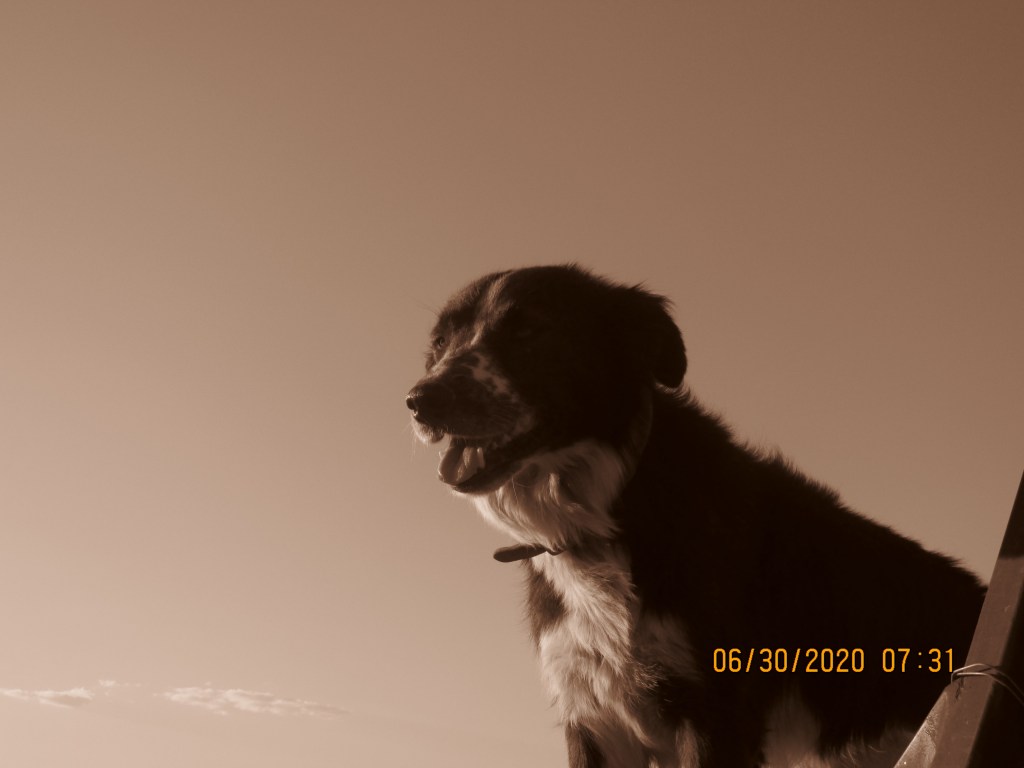
I actually took this one when the sun was going down but since my camera had some cool effects on it I thought that it would make all my pics look better.

This one is just the same way as the one on top of it.

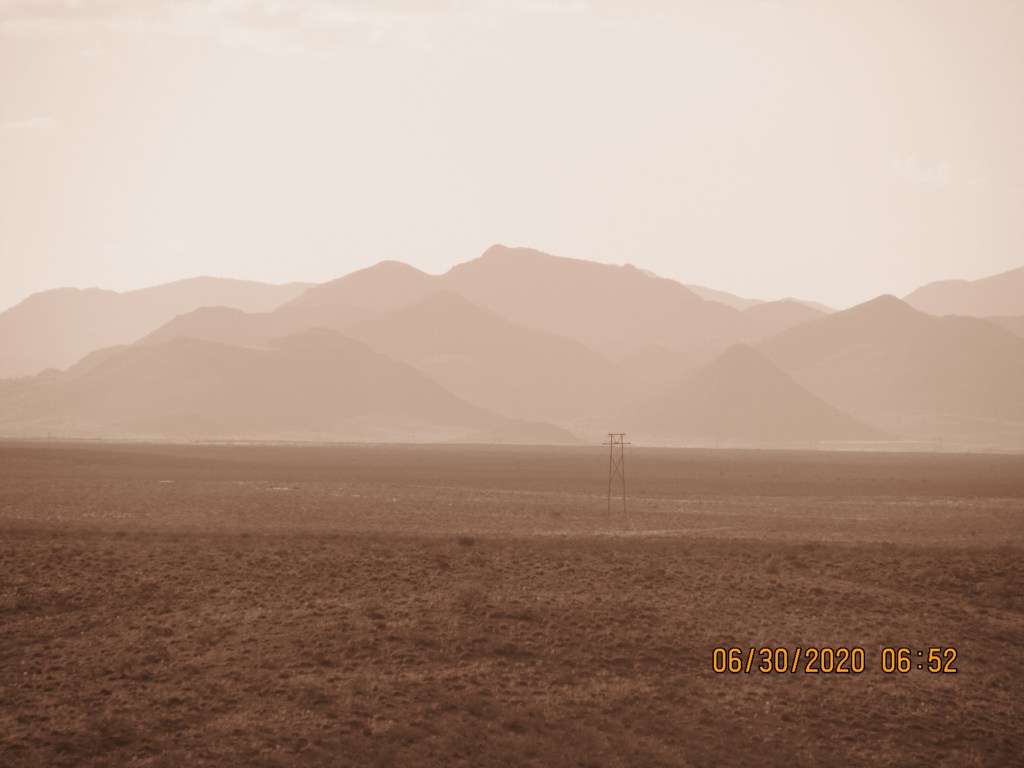
So all of these have some cool effect on them like this one I took it just like this its not like edited it on the computer its just that my camera had a bunch of cool effects so I put them to good use.

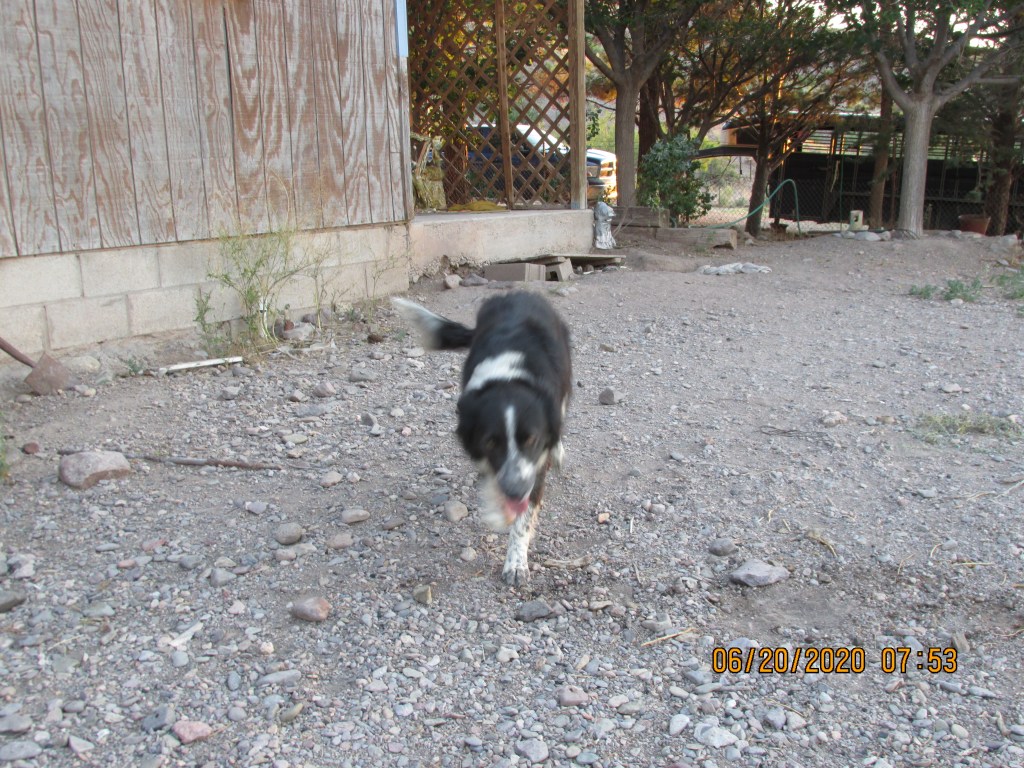
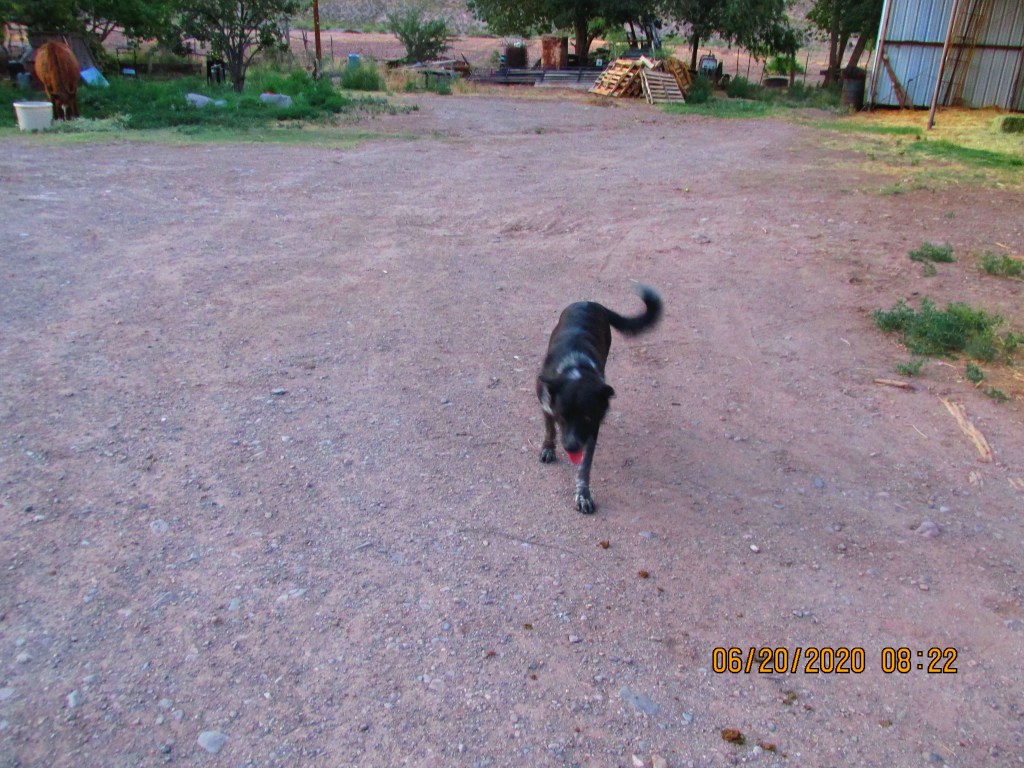
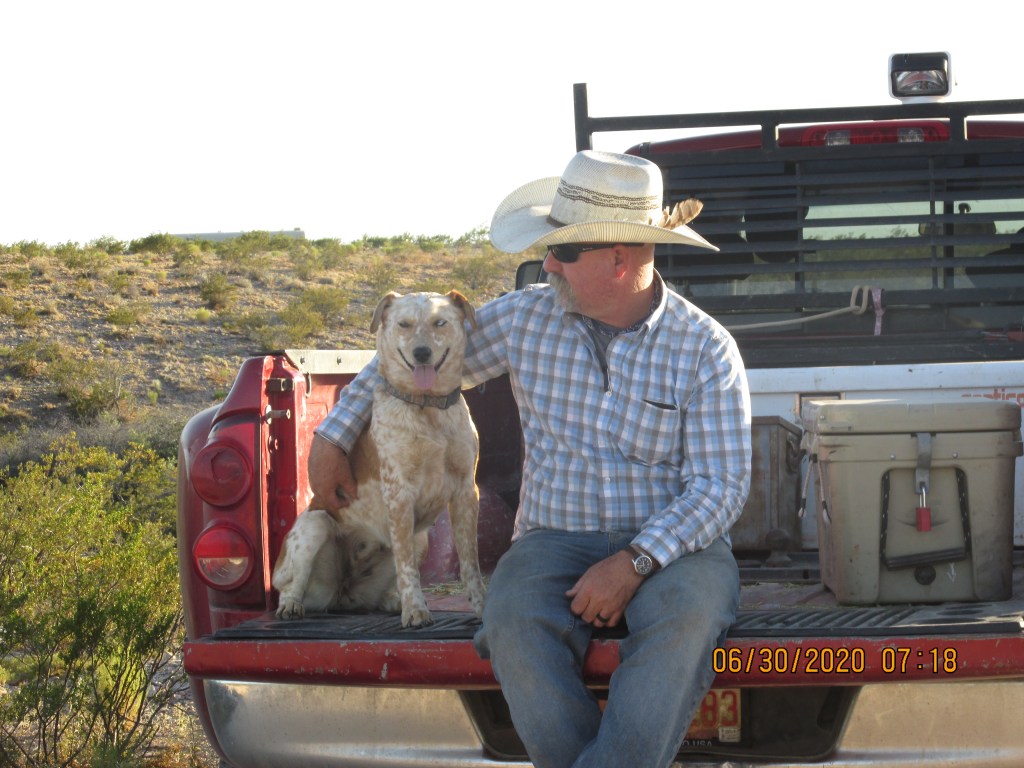
my dog likes to smile

Landscape pics

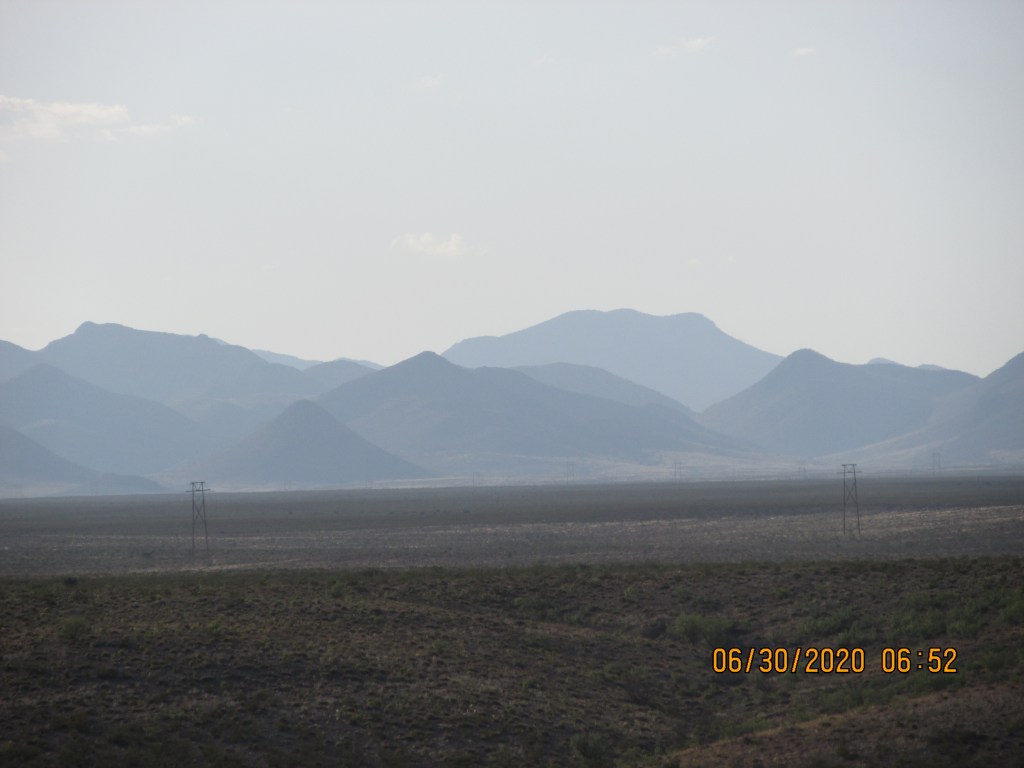
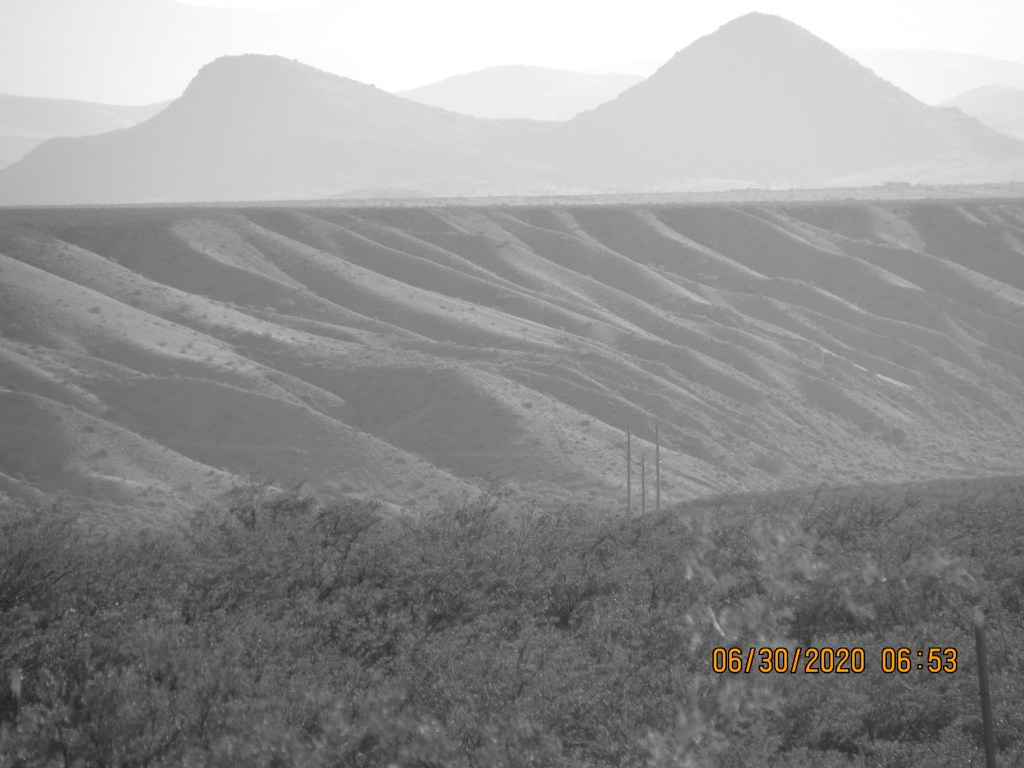
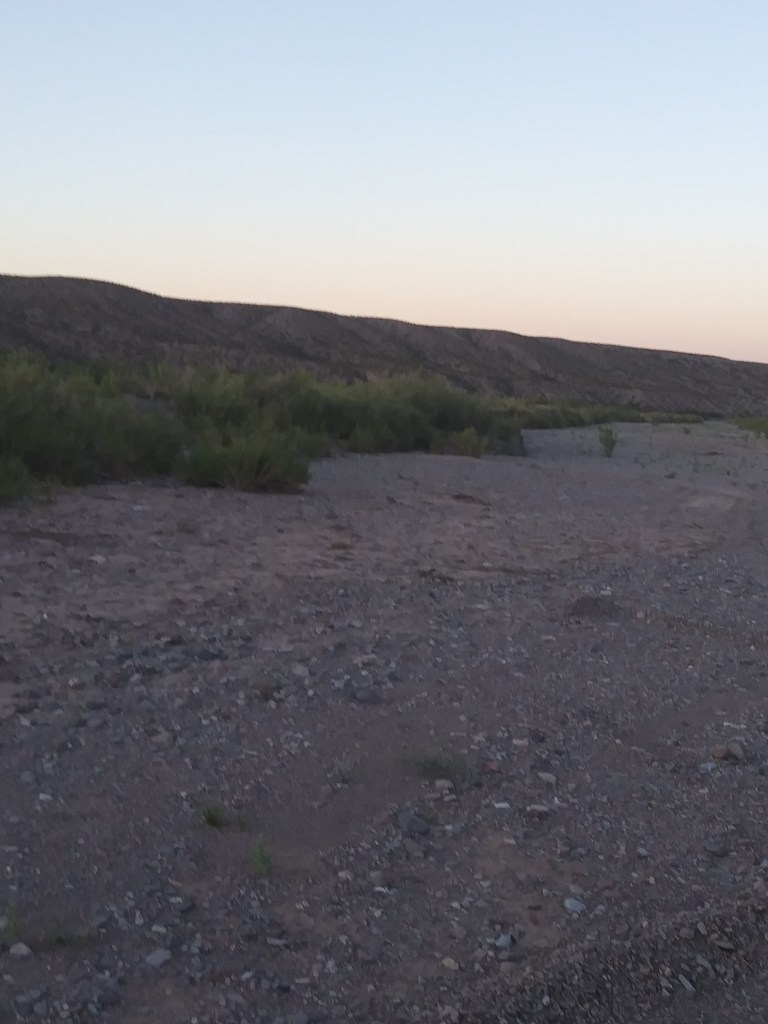
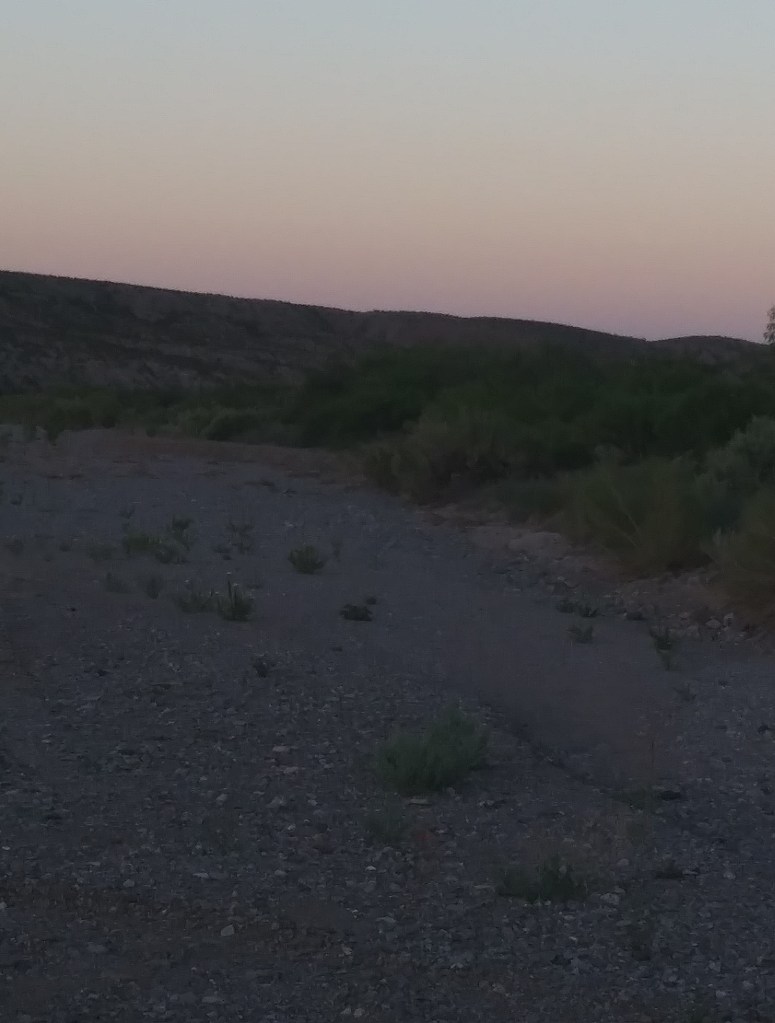
so my science assessment was to take pics of landscapes so here are three of them sorry I do not have more but I a getting there it just takes a while because I am so busy with other things. Sorry if they are kind of dark it was late when we rode out to go take the pics.

This is the creek at my house
So all of theses are the creek at my house but I could not decide which one look good so I just posted them all

History 4 lesson 115

Mercury Barometer 

Through Galileo Torricell became interested in the problem. The problem was that miners had trouble pumping weather out of mines. Torricell built a model in his backyard and it drew attention. He substituted mercury for water and invented the mercury harometer.                                                                           

Barometers measure atmospheric pressure. It consists of a tube and a dish full of mercury. Mercury is a dense liquid metal. A vacuum appears at the top of the tube. The level changes along with the air pressure. The barometer helps us predict the weather. Torricelli wrote a letter about the device to his friend Ricci, in Rome. Ricci sent Torricelli’s letter to Mersenne in France and Mersenne sent Torrielli’s letter to Pascal. Then Pascal asked his relative to take the barometer up a mountain. His relative agreed and he did it along with several important local people. 

Pendulum Clock

 Christian Huygens was born in 1629 in the Ductch Republic. He learned of the pendulum through Galieo’s insights. The pendulum is “isochronous” determined by its length. Huyges completed what Galileo Started and invented the first pendulum clock. The pendulum clock removed old design defects. It reduced clock error down to 15 seconds per day. Short swings are more accurate than long ones. The minute hand appeared by 1690. The pendulum regulates the escapent’s energy release. The pendulum releases one gear tooth per swing. The escapement powers the pendulum. The pendulum clock spread quickly. An improved escapement mechanism was invented in 1675. George Graham popularized the device through  clockmaker Thomas Tompion. Thompson’s High-quality workmanship was the result of the protestan work ethic.

Robert Boyle

Robert Boyle was born in 1627 and studied Galileo’s work. He became a member of the Invisible college to conduct scientific investigation. He learned of the vacuum pump in 1657. Boyle transitioned alchemy to chemistry. He believed in science as a way to glorify God. He published a ground-breaking book, The Skeptical Chemist. He rejected the Greek view of four. He proposed an alternative: matter made of atoms. Ancient Greek philosophers and similar ideas studied the philosophical idea but didn’t do the science. 

Boyle’s Christian faith gave him confidence to explore the concept. The cultural differences explain the success or failure of ideas in different times. Boyle’s influence was established through the Invisible college I became the Royal society a prestigious institution of early scientists. King Charles II provided funding after 1660. Boyle almost became the president in 1680. The Royal Science to help mankind.             

Final Draft of lesson 125

If I could live anywhere in the world.

Now this one is kind of hard one because I am happy right where I live but if I could I would want to live in a place where there are no COVID-19 paranoid people. So I can be able to rodeo and have fairs inside of having to have virtual jackpots. And other virtual events.

I would just love to be able to rodeo without people freaking out like the people on Monsters University (that’s a movie by the way). This one monster came back to his world with a tiny sock on him and everyone freaked out because of one tiny sock they ended up shaving him. It was funny. I can just see it now me sneezing in a grocery store and everybody freaks like the people on Monster University. But I am serious. I really want to live in a place like that because I hate the idea of having to wear a mask just to go get something to be out in a few seconds. 

In Las Cruces they are more strict. I have to go there some times for gymnastics. We have to ware a mask but then when class starts we can take it off. I know I already mentioned this but I HATE THE IDEA OF WEARING A MASK! This place could be anywhere in the world. Like I said I am happy right where I live but If only there was a place with no COVID-19 paranoid people and if I knew about it I would start packing!